

Medicinal Plants That Heal Series (PART 1)
What is Calendula, Comfrey, and Plantain?
These three herbs are winter skincare stars—often combined in infused oils or salves for ultimate hydration and repair. I use these three herbs especially to create my Herbal Wound Balm. Suggested uses are burns, cuts, scrapes, chapped or dry skin, joint pains. This powerful balm is also infused with coconut oil, extra virgin olive oil, tea tree oil, lavender oil, raw honey and vitamin E oil. You can see why this balm replaces over the counter ointments from the grocery store in your medicine chest and first aid kit.
Calendula (Calendula officinalis)
Also known as pot marigold, this bright annual herb from the Asteraceae family features vibrant orange or yellow daisy-like flowers. It's native to the Mediterranean but widely cultivated worldwide.
Calendula officinalis flowers and plant.

Key Properties: Anti-inflammatory, antiseptic, anti-fungal, and wound-healing (promotes tissue regeneration). Common Uses in Skincare: Soothes irritated or dry winter skin, reduces redness, supports healing of minor cuts/burns, and adds gentle hydration in creams, salves, or infused oils. Form: Often used as dried flowers for infusions.
Dried calendula petals commonly used in herbal preparations.

Comfrey (Symphytum officinale)
Known as common comfrey or knitbone, this perennial herb from the Boraginaceae family has large, hairy leaves and bell-shaped purple/pink flowers. Native to Europe and Asia.
Symphytum officinale plant with leaves and flowers.
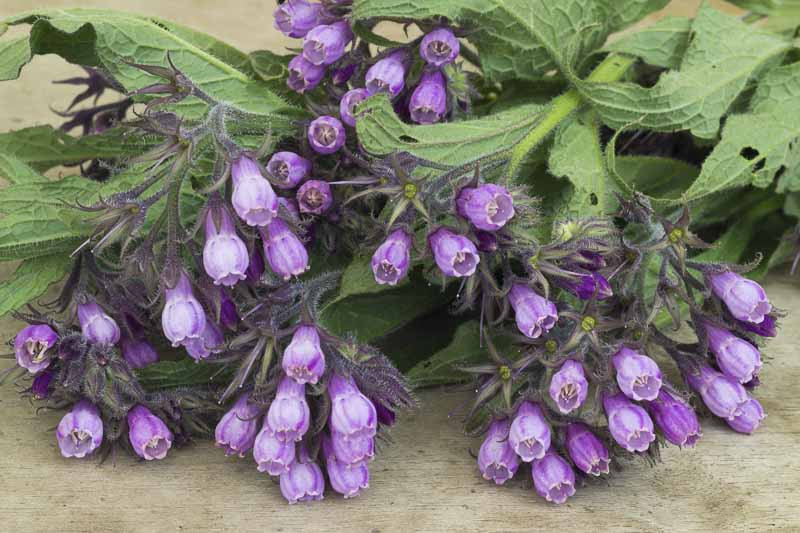
Key Properties: Contains allantoin (promotes cell regeneration), anti-inflammatory, and soothing. Common Uses in Skincare: Excellent for moisturizing dry/chapped skin, supporting repair of cracks or minor wounds; traditionally used in salves for bruises and strains. Caution: Topical use only recommended; avoid on deep/open wounds due to pyrrolizidine alkaloids (choose PA-free varieties for safety). Form: Leaves and roots for poultices or infused oils.
Plantain (Plantago major)
Broadleaf plantain (not the banana-like fruit) is a common perennial weed from the Plantaginaceae family with broad, ribbed leaves forming a rosette. Found worldwide as a lawn "weed."
Plantago major leaves and rosette growth.
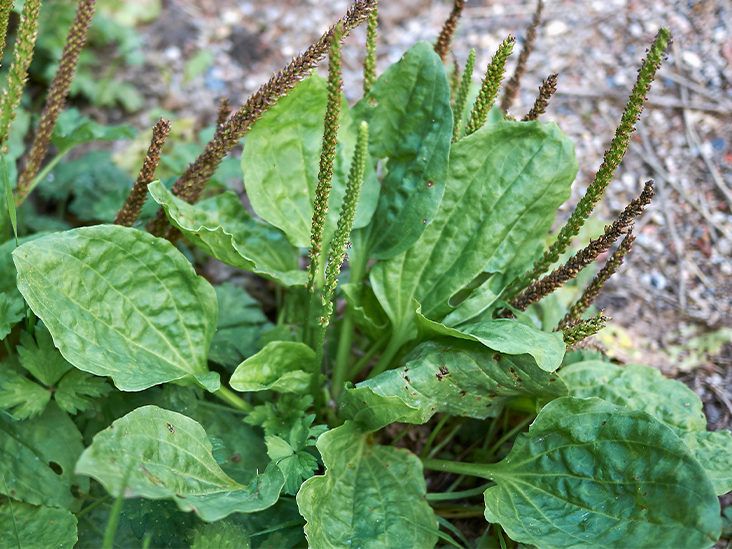

Key Properties: Anti-inflammatory, antimicrobial, drawing (pulls out irritants), and deeply soothing. Common Uses in Skincare: Relieves itching, dryness, insect bites, or rashes; hydrates and calms winter-stressed skin. A classic "first aid" herb. Form: Fresh or dried leaves crushed into poultices or infused oils.
I hope you have enjoyed journeying through the educational parts of medicinal herbs Calendula, Comfrey, and Plantain! In my next educational blog series we will be learning about Mullein, Pine, Red Clover and Rose Petals. You will never look at what herbicide companies call "weeds" the same when you realize these plants have medicinal properties to heal our bodies.